Table of Contents
Kratom to get off opiates
For a lot of people who are addicted to opiates, the thought of getting off them can be incredibly daunting. The withdrawal symptoms can be absolutely brutal, and the whole process can feel like an uphill battle. But there is hope! For many people, kratom has been a lifesaver in helping them get off opiates.
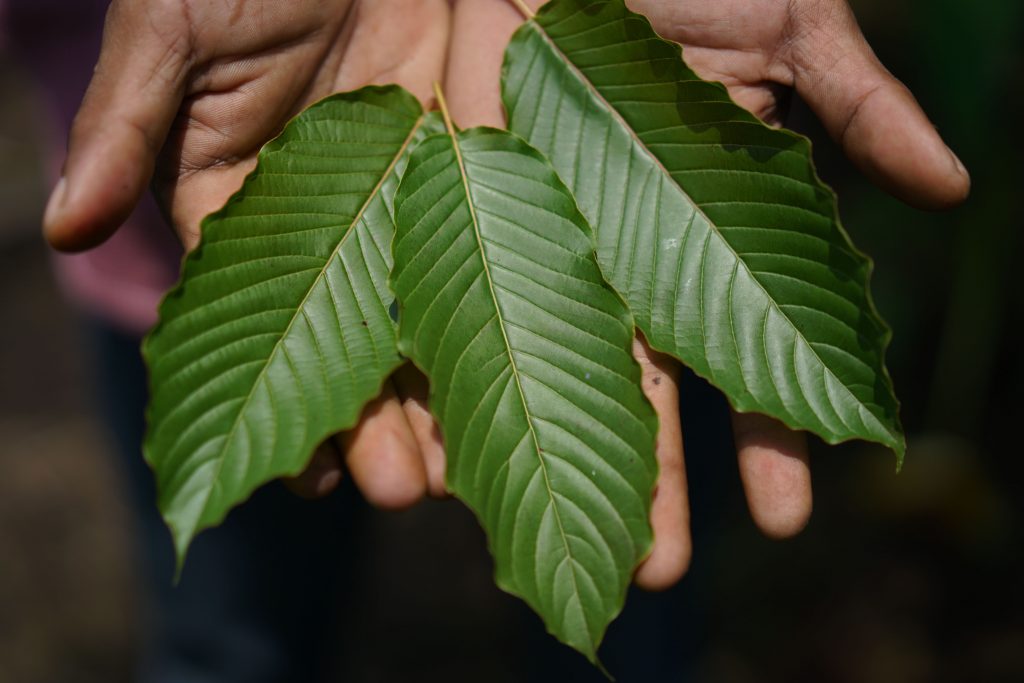
Kratom is a plant native to Southeast Asia that has been used for centuries for its medicinal properties. The leaves of the kratom tree are traditionally crushed and made into a tea, which can be consumed for its various benefits. Kratom contains a number of compounds, including mitragynine and 7-hydroxymitragynine, which interact with the brain’s opioid receptors to produce similar effects to those of opium and other opiates.
However, kratom is not without its own risks and side effects. It’s important to remember that it is a powerful substance and should be used with caution. If you’re thinking about using kratom to help you get off opiates, be sure to do your research and talk to your doctor first.
Kratom can be a helpful tool in the journey to getting off opiates. If you’re struggling with an addiction, don’t hesitate to reach out for help. There are many resources available to you, and you don’t have to go through this alone.

How does Kratom help with opioid withdrawal
Kratom is an effective treatment for opioid withdrawal because it activates the same receptors in the brain that are targeted by opioids, but without the dangerous and potentially fatal side effects. When taken at lower doses, kratom produces a stimulant effect, while higher doses produce a sedative effect. This makes kratom an ideal treatment for opioid withdrawal because it can help to ease the often-uncomfortable symptoms while also helping to reduce cravings.
In addition, kratom is a much safer alternative to opioids because it is not addictive and does not carry the same risk of overdose. When used correctly, kratom can be an effective tool in the journey to getting off opioids.
If you or someone you love is struggling with an addiction to opioids, don’t hesitate to reach out for help. There are many resources available to you, and you don’t have to go through this alone.
What are the risks and side effects of Kratom?
Kratom is a powerful substance and should be used with caution. When taken in large doses, kratom can cause severe side effects including vomiting and nausea. Therefore, it’s important to start with a small dose and increase gradually as needed.
In addition, kratom can interact with other substances, so it’s important to be mindful of what you are taking it with. If you are taking prescription medications, be sure to talk to your doctor before taking kratom.
As with any substance, there is always a risk of adverse side effects when taking kratom. If you experience any negative side effects, be sure to stop taking kratom and talk to your doctor right away.
Do you have any tips for someone who wants to try Kratom?
If you’re thinking about trying kratom, there are a few things you should keep in mind:
Start with a small dose and increase gradually as needed.
Be sure to do your research and talk to your doctor first.
Be mindful of any other substances you are taking it with.
Stop taking kratom if you experience any negative side effects.
If you or someone you love is struggling with an addiction to opioids, don’t hesitate to reach out for help. There are many resources available to you, and you don’t have to go through this alone.
Sources:
https://www.drugabuse.gov/publications/drugfacts/kratom
https://www.samhsa.gov/medication-assisted-treatment/treatment/opioid-dependence-buprenorphine
https://www.ncbi.nlm.nih.gov/pmc/articles/PMC3015548/
https://www.recoveryranch.com/articles/kratom-for-opioid-withdrawal/
https://www.addictioncenter.com/drugs/kratom/withdrawal-symptoms-timeline/#gref
https://www.healthline.com/health/substance-abuse/kratom-for-opioid-withdrawal
https://americanaddictioncenters.org/kratom-rehab/withdrawal-timeline-effects